
04 · Shipping Desk · Analyst Brief
Week of October 12, 2026
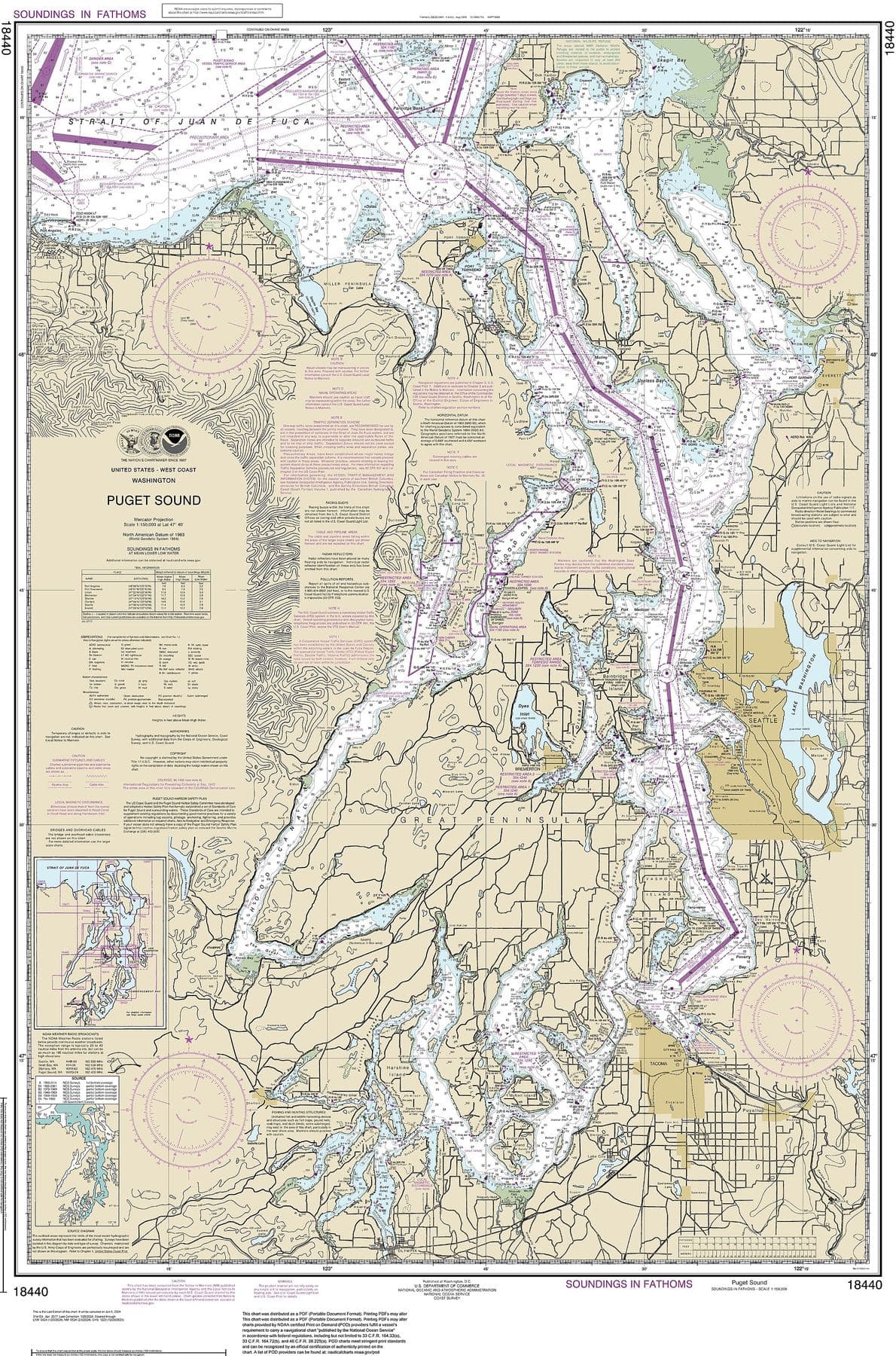
Trafigura lists its VLCC fleet as Volare Shipping, raising ~$500M at a $1.2B valuation near the top of the tanker cycle
Analysts Theo Efstathiou, George Spyrou
Published October 12, 2026
Source Company announcements; Euronext Growth Oslo (Sep–Oct 2026)
Summary
On September 21, 2026, Trafigura created Volare Shipping Ltd., a Singapore company that owns and operates its very large crude carriers, and listed it on Euronext Growth Oslo on October 5 after a private placement closed September 23. The timing is the story: Hormuz disruption has pushed VLCC earnings to records, some routes near or above $1M per day, and Trafigura is bringing tonnage bought from 2024, when newbuilds were far cheaper, to market near a cyclical high.
Key numbers
- Gross private placement
- ~$500M
- Implied valuation at listing
- $1.2B
- VLCCs in the fleet
- 14
- Trafigura retained stake
- ~54%
Gross private placement
significantly oversubscribed
Implied valuation at listing
ticker VLCC, +6.9% intraday debut
VLCCs in the fleet
6 on the water + 8 newbuilds to 2028
Trafigura retained stake
and commercial manager of the fleet
EXHIBIT 1Key deal terms
| Term | Detail |
|---|---|
| Vehicle | Volare Shipping Ltd., Singapore; CEO Alexandre Duff, Chair Andrea Olivi (Trafigura Head of Shipping) |
| Fleet | 6 VLCCs on the water + 8 newbuilds from China's Jiangsu New Hantong yard, delivering through 2028 |
| Fleet quality | ~3 yrs average age on delivery; larger than standard VLCCs, dual-fuel, ammonia-ready, extra coating |
| Capital raise | 30,698,864 new shares at NOK 154, about $500M gross; proceeds fully fund the newbuilding programme |
| Listing | Euronext Growth Oslo, ticker VLCC, first trading day October 5, 2026 |
| Ownership | Trafigura majority owner (~54%) and commercial manager through its shipping business |
| Advisors / investors | Clarksons and Fearnley Securities (joint bookrunners); institutions, family offices, Robin Energy |
Why Trafigura did it
- Monetize at the top: selling equity in a fleet built up from 2024, with rates and values at records, locks in value.
- Recycle capital: outside investors fund the newbuild bill, freeing the balance sheet for core trading.
- Keep the optionality: as manager it decides where ships trade and earns fees, and hedges its freight exposure as a charterer.
- Growth platform: flagged move to Oslo's main market, a possible New York dual listing, and smaller tanker segments.
Risks and discussion points
- Cycle timing: buying at record rates; if Hormuz eases, earnings and values could fall as newbuilds arrive to 2028.
- Conflict of interest: Trafigura owns, manages and may charter the ships; how cargo and rates are split is the key question.
- Concentration: a single-segment, 14-ship fleet has little diversification.
- Market venue: Euronext Growth is lighter-touch, with lighter disclosure.
- Industry signal: traders moving from chartering to owning signals sustained tightness, or an attractive exit.
Educational research, not investment advice. Prepared by student analysts of the Commodities and Shipping Club at Northeastern University from the sources cited above.
More from this week
Research library
01 · Energy Desk
Tanker shortage strands Americas heavy crude: freight to Asia now runs ~$40/bbl, about 40% of a $100 barrel
$80M+
VLCC freight, Americas → Asia
Andrew
04 · Shipping Desk
Container reliability slides to 27% on time in September, with Asia–Europe at just 4% and a 9.9-day average delay
27%
Global on-time arrivals, Sep
Kai, Vihaan
04 · Shipping Desk
South Korea completes its first commercial Arctic round trip to Europe, but sails well short of its cargo target
50 days
Busan round trip
Emily, Brittany